Precision Matters: The Comprehensive Guide to Shaft Machining & Reconditioning
Marine shafts play a pivotal role in transferring power from engines to propellers, directly influencing vessel performance, reliability, and efficiency. Due to continuous operation and exposure to harsh marine environments, shafts are prone to wear, damage, and alignment issues. Recognizing the importance of shaft machining and reconditioning can significantly reduce downtime, optimize performance, and prolong vessel lifespan.
Identifying Common Shaft Issues
Shafts commonly experience problems such as wear, corrosion, misalignment, scoring, and fatigue cracks. These issues can lead to vibrations, inefficient power transfer, reduced fuel economy, and potentially severe operational failures. Early detection and prompt repair of shaft issues are essential to maintaining optimal vessel performance and safety.
Benefits of Shaft Machining & Reconditioning
Choosing machining and reconditioning over full replacement offers several advantages:
Cost Efficiency: Often significantly more affordable than full shaft replacements.
Reduced Downtime: Minimizes vessel out-of-service periods, allowing quicker return to operation.
Enhanced Performance: Restores the shaft to original or superior specifications, improving operational efficiency.
Environmental Impact: Reduces waste by extending the life of existing components.
Step-by-Step Process of Shaft Machining & Reconditioning
The shaft machining and reconditioning process typically involves:
Initial Assessment and Inspection: Comprehensive evaluation to identify the extent and type of damage.
Machining and Turning: Precision machining processes to remove surface defects and restore shaft dimensions.
Welding and Metal Buildup: Techniques to repair deeper damages or to restore material lost through wear.
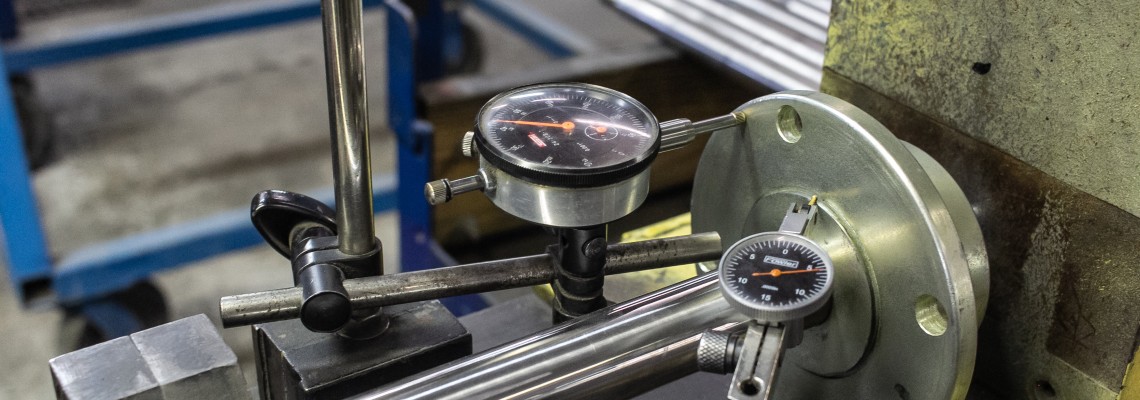
Precision Grinding and Polishing: Ensuring smooth surfaces to precise tolerances for optimal performance.
Alignment and Balancing: Final balancing and alignment checks to ensure smooth operation and prevent vibrations.
Modern Technologies and Advanced Techniques
Modern shaft machining and reconditioning incorporate cutting-edge technologies such as CNC machining, laser alignment, and dynamic balancing equipment. These innovations allow for exceptional accuracy, precise restorations, and consistent quality, ensuring reliable shaft performance and longevity.
Selecting the Right Service Provider
To ensure quality workmanship and reliability, consider these factors when selecting a shaft machining and reconditioning service provider:
Relevant certifications and adherence to industry standards.
Availability of advanced technology and precision equipment.
Proven track record and positive customer testimonials.
Preventive Shaft Maintenance Tips
Adopting a proactive approach to shaft maintenance significantly reduces repair frequency and severity:
Conduct regular inspections to identify early signs of wear or damage.
Maintain proper alignment to prevent unnecessary stress and premature wear.
Implement scheduled lubrication and corrosion prevention measures.
Conclusion
Shaft machining and reconditioning are critical services that ensure marine vessels continue operating at peak performance and safety standards. By recognizing common shaft issues, understanding reconditioning processes, and maintaining a proactive maintenance strategy, vessel operators can significantly extend equipment lifespan and operational efficiency.
Subscribe to GP PropTalk Blog for more expert marine insights and contact a professional shaft specialist today to ensure your vessel’s reliability and peak performance.